tahirchaudhary
Novice Foodie
Why POS Software Matters for Modern Businesses
POS Software is one of the most useful tools for any business that wants faster billing, better stock control, and clear sales records. Whether you run a retail shop, restaurant, pharmacy, supermarket, clothing store, or wholesale business, a good POS system can make daily work easier.Many businesses still use manual bills, notebooks, or basic spreadsheets. These methods may work at the start, but they become difficult when sales increase. Mistakes happen, stock becomes hard to track, and reports take too much time.
With POS Software, business owners can manage sales, payments, inventory, customers, and reports from one place. This saves time, reduces errors, and gives better control over the full business process.
What Is POS Software?
POS Software stands for Point of Sale Software. It is a digital system used to complete sales, create bills, record payments, and manage inventory.It works as the main sales counter of a business. When a customer buys something, the cashier can scan the item, add it to the bill, take payment, and print or send the receipt.
At the same time, the system updates stock and saves the sale in reports.
How POS Software Works
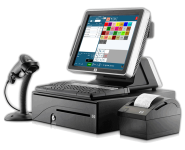
A POS system usually connects with hardware like:- Barcode scanner
- Receipt printer
- Cash drawer
- Card payment machine
- Computer, tablet, or mobile device
- Customer display screen
Who Can Use POS Software?
POS systems are useful for many types of businesses, including:- Retail shops
- Grocery stores
- Restaurants and cafes
- Pharmacies
- Supermarkets
- Mobile shops
- Hardware stores
- Clothing stores
- Bakeries
- Wholesale businesses
Key Benefits of POS Software
A good POS system does much more than make receipts. It helps businesses work faster, stay organized, and make better decisions.Faster Billing and Checkout
Long waiting lines can make customers unhappy. POS Software speeds up checkout by allowing staff to scan products, apply discounts, calculate tax, and create bills quickly.This improves customer service and keeps the counter moving smoothly.
Better Stock Management
Stock control is one of the biggest challenges for any business. If stock is not managed properly, you may run out of best-selling items or overbuy slow-moving products.A POS system helps track:
- Available stock
- Low stock alerts
- Fast-selling items
- Slow-moving products
- Purchase needs
- Stock value
Clear Sales Reports
Reports help you understand your business performance. With POS Software, you can view daily, weekly, and monthly sales reports without manual calculation.Useful reports may include:
- Total sales report
- Product-wise sales report
- Profit report
- Staff performance report
- Payment method report
- Customer purchase history
- Stock movement report
Fewer Human Errors
Manual billing can lead to wrong prices, missing entries, and calculation mistakes. POS systems reduce these errors by automating the sales process.This improves accuracy and builds customer trust.
Better Customer Management
Many POS systems allow you to save customer details. You can track repeat buyers, purchase history, loyalty points, and special discounts.This helps businesses improve customer relationships and increase repeat sales.
Internal link idea: Read our related guide on ERP software in Pakistan to learn how businesses manage accounts, HR, inventory, and reports from one platform.
Related more articles, pos software pakistan
Features to Look for in POS Software
Before choosing POS Software, it is important to check the features carefully. The right system should match your business needs and be simple for your staff to use.Easy Dashboard
The dashboard should be clean and easy to understand. Staff should quickly learn how to create bills, manage products, and check reports.A simple system saves training time and reduces confusion.
Inventory Tracking
Inventory tracking is one of the most important features. Your POS system should update stock after every sale and show low stock alerts.This helps you avoid stock shortages and unnecessary purchases.
Barcode Support
Barcode scanning makes billing faster and more accurate. This is especially useful for supermarkets, pharmacies, grocery stores, and retail shops.It also reduces typing mistakes at the counter.
Multiple Payment Options
Customers may pay with cash, card, bank transfer, or mobile wallet. A good POS system should support different payment methods.This gives customers more comfort and improves the checkout experience.
User Roles and Permissions
Not every employee should access every feature. POS Software should allow role-based access.For example, cashiers can create bills, while managers can view reports and change prices.
Cloud and Offline Access
Cloud POS systems allow you to access business data from anywhere. Offline access is also important if internet service is not stable.The best system should keep your sales running even during connection issues.
Internal link idea: You can also read our guide on business automation solutions to see how digital tools reduce manual work and improve productivity.
How POS Software Helps Different Businesses
Different businesses have different needs. That is why the best POS system should be flexible.Retail Stores
Retail shops need billing, barcode scanning, stock control, discounts, and daily sales reports. A POS system helps manage all these tasks from one place.Restaurants and Cafes
Restaurants need table management, order taking, kitchen printing, delivery orders, and split billing. POS tools help staff handle orders faster and reduce service delays.Pharmacies
Pharmacies need expiry tracking, batch management, medicine stock, and customer records. POS systems help keep medicine records clean and organized.Supermarkets
Supermarkets handle many products and many customers every day. POS Software helps speed up checkout, manage stock, and control discounts.Key Takeaways
POS Software helps businesses manage billing, sales, stock, payments, customers, and reports from one smart system.It improves checkout speed, reduces manual errors, and gives owners better control over daily operations.
A good POS system should be easy to use, secure, flexible, and suitable for your business type.
Before buying POS Software, check your needs, required features, support options, hardware compatibility, and reporting tools. The right system can make your business faster, cleaner, and ready for long-term growth.